Cyber harassment, also known as online harassment or cyberbullying, is the use of digital platforms like social media, messaging apps, email, or websites to intimidate, threaten, humiliate, or harm someone. It includes sending abusive messages, spreading false rumors, sharing private photos without consent (revenge porn), doxing (revealing personal information), cyberstalking, and coordinated attacks aimed at damaging a person’s reputation or mental health.

In Nepal, with the rapid growth of internet and social media usage (especially Facebook), cyber harassment has become a serious and rising issue. Women and young people are often the main targets. Many victims suffer in silence due to fear of social stigma, but awareness is increasing, and more people are standing up for their rights.
Common Forms of Cyber Harassment
– Abusive or threatening messages and hate speech
– Defamation and online shaming through false rumors
– Non-consensual sharing of private images or videos
– Persistent cyberstalking and unwanted contact
– Doxing, impersonation with fake profiles
– Trolling designed to provoke emotional distress

The effects can be devastating — anxiety, depression, loss of confidence, social isolation, and in extreme cases, self-harm or suicide. Victims often feel trapped because the harassment follows them everywhere through their phones and devices.
Nepal Laws on Cyber Harassment
Nepal does not have one single law only for cyberbullying, but strong provisions exist under existing laws to punish offenders.
Electronic Transactions Act, 2063 (2008) – Section 47
This is the most commonly used section. It prohibits publishing or displaying any electronic material (including social media posts) that is illegal, against public morality, or spreads hate and harms social harmony.
Penalty: Up to 5 years imprisonment and/or fine up to NPR 100,000. Repeat offenses attract stricter punishment.
Muluki Criminal Code (National Penal Code), 2074 (2017)
– Defamation (Sections related to harming reputation)
– Harassment and threatening communication
– Privacy violations (unauthorized sharing of images, etc.)
Penalties can include imprisonment up to 3 years and fines.

The Nepal Police Cyber Bureau, Kathmandu) investigates these cases. You can file complaints online or in person. Other supporting laws include the Privacy Act. Enforcement is improving, though challenges remain in tracing offenders quickly, especially if they are abroad.
Always document evidence (screenshots with dates, usernames, links) before reporting. Act fast — delays can make investigations harder.
Precautions and Prevention Tips
Prevention is the best defense. Follow these practical steps:
1. Set strong privacy controls on all social media accounts. Make profiles private and limit who can message or tag you.
2. Never share sensitive personal information, location, or private photos/videos that could be misused.
3. Use strong, unique passwords and enable two-factor authentication (2FA) everywhere.
4. Think twice before posting anything — once online, it is difficult to fully remove.
5. Do not engage with harassers. Block, mute, and report them on the platform immediately.
6. Keep records of all abusive content as evidence.
7. Educate yourself and your family, especially children, about safe internet use.
8. Install reliable security software and keep apps and devices updated.
9. Be cautious with friend requests from strangers.
10. Regularly check your online presence (Google your name) and remove unwanted content where possible.
Parents should maintain open communication with children rather than strict monitoring alone.
What to Do If You Become a Victim
– Report the content on the platform right away.
– Save all evidence (screenshots, links, messages).
– Seek emotional support from trusted friends, family, or counselors.
– File a complaint with the Nepal Police Cyber Bureau: Visit Bhotahity or your local police, or use their online form/email. Helplines: 100 (police) or Cyber Bureau numbers (9851286770/9851286771).
– If there is an immediate threat, contact police urgently.
Organizations and NGOs working on digital rights can also provide guidance. Remember: It is not your fault. Seeking help is a sign of strength.
A Motivational Story: From Pain to Power – The Journey of Resilience
Let me share an inspiring story inspired by real experiences of many brave Nepali women who faced cyber harassment but chose to fight back instead of giving up.
There was a young woman named Ankita (name changed, like many real cases from Nepal). She was a 24-year-old engineering student from a small district. She trusted someone close — her ex-boyfriend — and shared private moments in confidence. One day, those photos were leaked online on multiple sites and spread rapidly on social media. Suddenly, she became the target of vicious gossip, abusive messages, obscene pictures, and character assassination. People she barely knew started calling her names. She felt humiliated, scared, and alone. The mental pressure was overwhelming; she stopped going out and even considered leaving her studies.

But Ankita refused to break. With the support of a few close friends, she gathered all the evidence — screenshots, links, and messages. She took a brave step and went to the local police station, then followed up with the Cyber Bureau in Kathmandu. The police registered her case under the Electronic Transactions Act. They traced some of the sources and began action against the perpetrators.
During this difficult time, Ankita faced more challenges — online trolls continued, and some people blamed her instead of the harasser. Yet she kept going. She started speaking privately with other victims and realized she was not alone. She educated herself about Nepal’s cyber laws and digital safety. Slowly, she rebuilt her confidence. She completed her studies with good results and began volunteering to raise awareness about online safety among young girls in her community.
Today, Ankita is stronger than ever. She uses her experience to help others by conducting small workshops on privacy settings, how to report harassment, and the importance of seeking legal help. She often says:

The internet tried to break me, but it made me unbreakable. What was meant to silence me became my voice for change. If I can stand up, so can you. Do not suffer in silence — document, report, and rise again.”
Her story shows that cyber harassment is painful, but it does not define you. With courage, proper precautions, knowledge of the law, and support, victims can become survivors — and even leaders who make the digital world safer for everyone.
Conclusion
Cyber harassment is a real threat in today’s connected Nepal, but it is not unbeatable. By understanding the laws, taking precautions, and knowing where to seek help, we can protect ourselves and others. Stories like Ankita’s remind us that resilience and action turn victims into victors.
If you or someone you know is facing cyber harassment, remember: You have rights, you have support, and you have the power to fight back. Report it, seek help, and never lose hope.
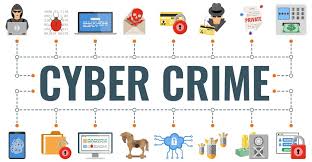
Stay safe online. Think before you post. Protect your peace and help build a respectful digital Nepal.
Note: Laws can be updated, so always check the latest information with the Nepal Police Cyber Bureau or a legal expert for your specific situation.