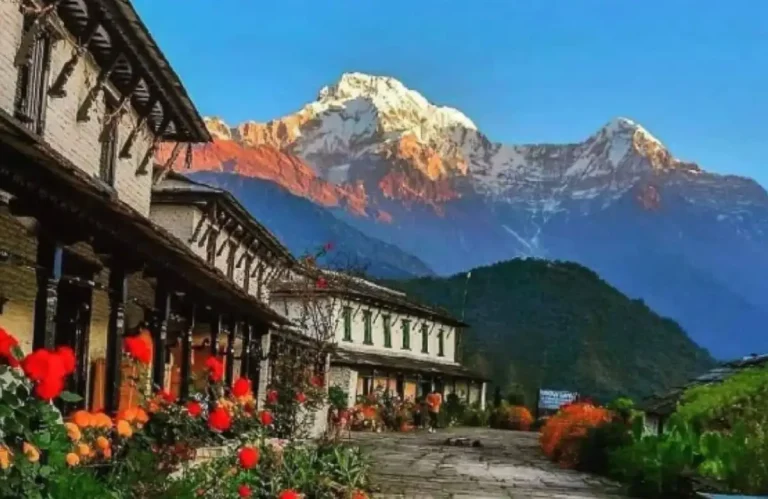
For decades, Nepal has been known as the gateway to the Himalayas — a dream destination for trekkers, climbers, and adventurers seeking the legendary heights of Mount Everest.
But today, Nepal’s tourism story is evolving.
A new generation of Nepali adventure companies is transforming the industry by blending adventure, digital storytelling, and sustainability into a powerful new tourism movement. From eco-conscious trekking to community-based travel experiences promoted through social media, Nepali tourism is no longer just about conquering mountains — it’s about protecting them.
Welcome to the new era of sustainable Himalayan adventure.

The Rise of Conscious Travelers
Modern travelers want more than scenic photos.
Today’s global tourists — especially Millennials and Gen Z travelers — are increasingly asking important questions:
- Is my trip environmentally responsible?
- Are local communities benefiting?
- Is this experience authentic?
- Does my travel help preserve culture and nature?

As platforms like Instagram, TikTok, and YouTube reshape travel inspiration, tourists are seeking meaningful experiences they can share with the world.
Nepali adventure companies have recognized this shift — and many are adapting fast.
Sustainable Trekking Is Becoming the New Standard
In popular trekking regions such as Everest Region, Annapurna Region, and Langtang, local operators are introducing eco-friendly tourism practices that reduce environmental impact while improving traveler experiences.

These include:
Eco Lodges & Green Tea Houses
Many trekking companies now partner with eco-conscious lodges using:
- Solar energy
- Water filtration systems
- Reduced plastic usage
- Local organic food sourcing
Waste Management Campaigns

Adventure companies are organizing:
- Mountain clean-up expeditions
- “Carry in, carry out” trekking policies
- Reusable bottle programs
- Waste awareness campaigns for trekkers
Smaller Group Experiences

Instead of mass tourism, many operators now focus on:
- Small-group trekking
- Personalized itineraries
- Low-impact travel experiences
This creates better cultural interaction while reducing pressure on fragile mountain ecosystems.

Social Media Is Changing Himalayan Tourism
A decade ago, travel companies relied mainly on brochures and travel agencies.
Today, a single viral drone video of a Himalayan sunrise can inspire thousands of travelers worldwide.
Nepali adventure brands are using:

- Cinematic trekking reels
- Story-driven travel photography
- Influencer collaborations
- Real-time expedition updates
to market Nepal globally.
Destinations once considered “hidden” are now becoming international travel sensations thanks to visually powerful content shared online.

Places like:
- Upper Mustang
- Rara Lake
- Mardi Himal
- Gokyo Lakes
have gained popularity through Instagram travel culture and digital storytelling.

Adventure Tourism Is Expanding Beyond Everest
While Everest remains iconic, Nepali tourism companies are diversifying experiences beyond traditional mountaineering.
Today’s adventure offerings include:
Cultural Trekking
Combining trekking with:

- Village homestays
- Traditional food experiences
- Local craft workshops
- Cultural festivals
Wellness & Spiritual Tourism
Travelers now seek:
- Yoga retreats
- Meditation treks
- Himalayan wellness journeys
- Monastery experiences
Soft Adventure Tourism
Not every traveler wants extreme climbing.
Companies are offering:
- Scenic hikes
- Mountain biking
- Paragliding
- Jungle safaris
- River rafting
- Photography tours
This diversification helps distribute tourism benefits across different regions of Nepal.

Local Communities Are Becoming Tourism Partners
One of the most important changes in sustainable tourism is community involvement.
Forward-thinking Nepali adventure companies now work closely with local villages by:
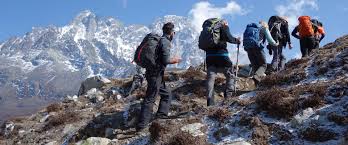
- Hiring local guides and porters
- Supporting women-led tourism initiatives
- Promoting local handicrafts
- Investing in rural tourism infrastructure
In villages across Nepal, tourism is creating:
- New employment opportunities
- Better education access
- Increased entrepreneurship
- Preservation of traditional culture

When local communities benefit directly, tourism becomes more sustainable and meaningful.
The Challenges Still Facing Nepal Tourism
Despite progress, Nepal’s tourism industry still faces important challenges:
- Overtourism in popular trekking routes
- Waste management in remote regions
- Climate change impacts on Himalayan ecosystems
- Infrastructure limitations
- Digital marketing gaps for smaller operators
However, these challenges are also driving innovation.
Young Nepali entrepreneurs are increasingly using technology, branding, and sustainable business models to compete globally.

The Future of Nepal Tourism
Nepal is uniquely positioned to become a global leader in sustainable adventure tourism.
Why?
Because few countries offer:
- World-famous mountains
- Rich living cultures
- Spiritual heritage
- Authentic village experiences
- Biodiversity and adventure together

The future belongs to companies that can balance:
- Tourism growth
- Environmental responsibility
- Community empowerment
- Digital storytelling
And many Nepali adventure brands are already leading this transformation.
Final Thoughts
From the icy trails of Everest to the endless scroll of Instagram feeds, Nepal’s adventure tourism industry is entering a powerful new chapter.
Today’s travelers want experiences that inspire not only photographs — but purpose.
And across Nepal, innovative tourism companies are proving that adventure and sustainability can go hand in hand.
The Himalayas are no longer just a destination.
They are becoming a global symbol of responsible travel, cultural connection, and sustainable exploration.
www.ypnepal.com/shop