Gurung Heritage
Tamu Lhosar is one of Nepal’s most important indigenous festivals, celebrated by the Gurung (Tamu) community with deep historical roots and vibrant cultural expression. Observed annually on Poush 15 (mid-December), Tamu Lhosar marks the New Year according to the Gurung calendar and symbolizes renewal, unity, and respect for ancestral traditions.
As Nepal continues to embrace its multicultural identity, Tamu Lhosar stands as a powerful representation of the country’s living heritage and ethnic diversity.
What is Tamu Lhosar?
The term “Lhosar” originates from the Tibetan language:
- Lho – Year
- Sar – New
Thus, Lhosar literally means New Year, and Tamu Lhosar specifically refers to the New Year celebration of the Gurung people, one of Nepal’s prominent indigenous nationalities.
The festival follows a 12-year animal cycle, similar to the Tibetan and Chinese zodiac system, which has been practiced by Himalayan communities for centuries.
Historical Origins of Tamu Lhosar
The history of Tamu Lhosar dates back to ancient Himalayan and Tibetan traditions, long before the adoption of the modern Gregorian calendar in Nepal. Gurung ancestors used the lunar-based calendar to:
- Track agricultural cycles
- Mark seasonal transitions
- Celebrate community harmony and prosperity
Historically, Tamu Lhosar was a time to:
- Conclude the old year and welcome the new
- Honor ancestors and spiritual guardians
- Pray for good harvests, health, and peace
Village elders played a central role in passing down customs, oral history, and blessings to the younger generation.

Cultural and Religious Significance
Tamu Lhosar is not merely a festival—it is a cultural identity and spiritual expression of the Gurung community.
Many Gurungs follow Buddhist traditions, and religious practices during Lhosar include:
- Offering prayers in monasteries and sacred spaces
- Chanting for peace, longevity, and prosperity
- Performing household rituals to ward off negativity
The festival reinforces values such as respect for elders, gratitude toward nature, and social unity.
How Tamu Lhosar is Celebrated in Nepal
1. Traditional Dress and Ornaments
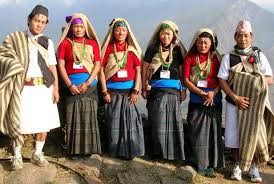
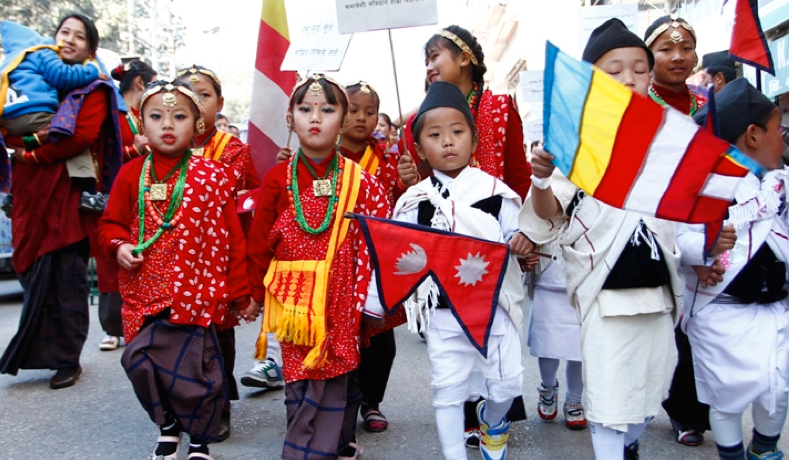
Men and women wear authentic Gurung attire, decorated with colorful beads, silver jewelry, and handmade ornaments. These costumes symbolize pride in ancestry and craftsmanship.
2. Cultural Dances and Folk Music
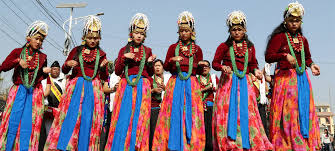
Traditional dances, rhythmic drum beats, and folk songs are performed during community gatherings. These performances reflect stories of Gurung history, bravery, and everyday life.
3. Family Gatherings and Feasts
Families come together to share festive meals, exchange blessings, and strengthen relationships. Visiting elders and honoring ancestors remain central to the celebration.
4. Public and Community Events
In cities like Pokhara, Kathmandu, and other Gurung settlements, Tamu Lhosar is marked with:
- Cultural rallies
- Traditional exhibitions
- Stage performances and community feasts
These events help promote Gurung culture nationally and internationally.

Tamu Lhosar in Modern Nepal
In recent years, Tamu Lhosar has gained official recognition and wider participation across Nepal. Media coverage, social platforms, and cultural organizations now play a key role in:
- Preserving Gurung language and traditions
- Educating younger generations
- Promoting cultural tourism
The festival has evolved into a celebration that connects tradition with modern identity.
Importance of Tamu Lhosar Today
Tamu Lhosar continues to play a vital role in:
- Preserving indigenous heritage
- Strengthening social harmony
- Promoting cultural pride
- Passing traditions to future generations
In an era of rapid globalization, festivals like Tamu Lhosar remind us of the importance of cultural roots, unity, and shared values.
Conclusion
Tamu Lhosar is a celebration of history, identity, and hope. Deeply rooted in ancient traditions yet proudly celebrated in modern Nepal, it reflects the enduring spirit of the Gurung community and enriches Nepal’s cultural landscape.
As Nepal moves forward, honoring festivals like Tamu Lhosar ensures that heritage, harmony, and diversity remain at the heart of the nation.
🙏 Lhosar Tashi Delek! 🙏